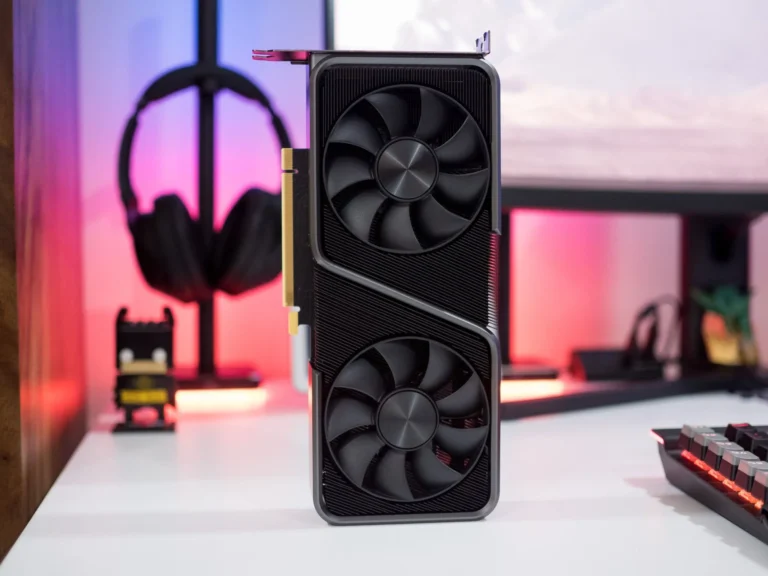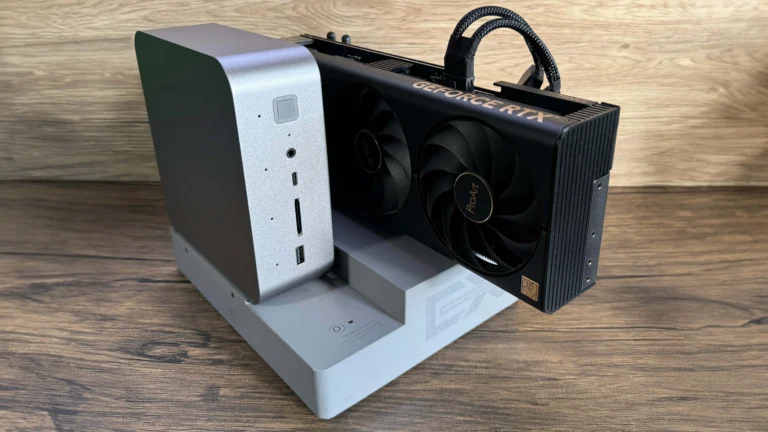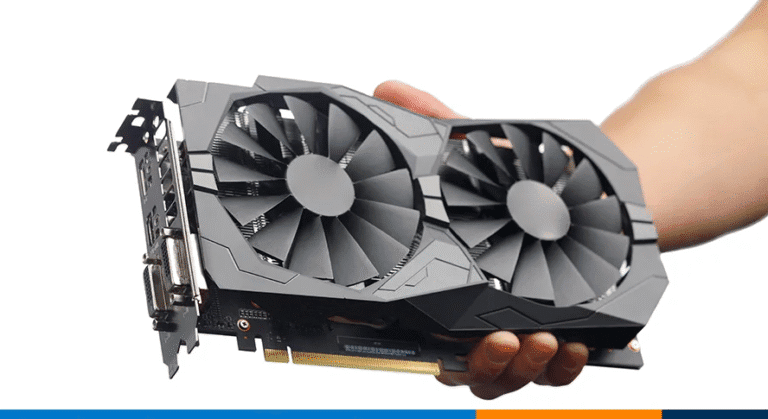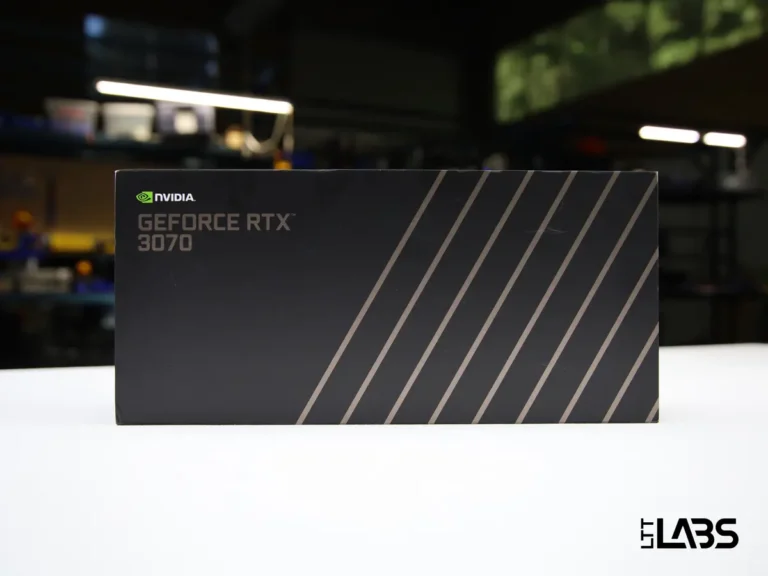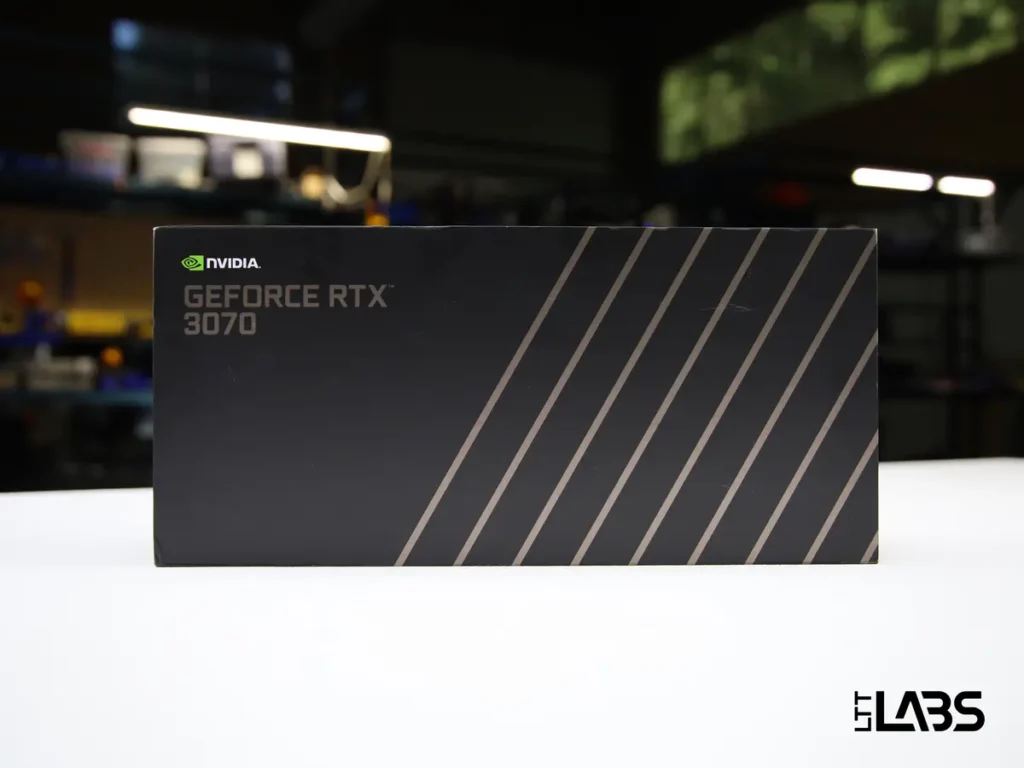
Used RTX 3070 prices in Europe vary by model and condition.
As of March 2026, the RTX 3070 is still a legit 1080p/1440p card if you buy it at the right EU used price and accept the 8GB VRAM ceiling in newer, heavier titles especially once you flip on ray tracing. The good news: it launched as a strong-value GPU (starting at $499), so the used market is deep. The bad news: “cheap” listings can hide mining wear or cooling issues.
Verdict Box
Fair used price (EU): €180–€300 (typical asking-price snapshot across major EU marketplaces; varies by model/cooler/returns).
Buy if:
- You want strong 1080p/1440p gaming value and can tune settings when VRAM is tight.
- You can get proof of stability (temps + stress test) before paying.
- You’re buying from a seller with returns / good history (or a platform with buyer protection).
Skip if:
- You specifically want ray tracing-heavy settings at 1440p+ without compromises (8GB becomes the limiter).
- You’re seeing “too cheap” listings with no testing proof or weird history.
- You plan to keep the GPU for years and want more VRAM headroom for newer releases.
Best alternative: A used RTX 3060 Ti if it’s meaningfully cheaper, or step up if you can afford a newer-gen card for feature support.
Last checked: March 2026
Fair used price in Europe (2026)
Across Europe, RTX 3070 pricing is mostly about condition + cooler + seller trust, not “the model name.” On big marketplaces you’ll routinely see asking prices in the ~€180–€300 band, with outliers higher for premium triple-fan cards, original boxes, or warranty/returns. If you’re shopping, treat “no proof, no return, no history” listings as lottery tickets, even when the number looks tempting.
Country snapshots: Germany tends to show lots of volume on Kleinanzeigen and eBay.de (common asks around the low-to-mid €200s). France has huge supply on LeBonCoin, with many GPU-in-PC listings plus some standalone cards in a similar range (watch for bundle pricing).
Do this now: pick 3–5 listings and compare “proof + return policy” before comparing price.
“`What affects used pricing
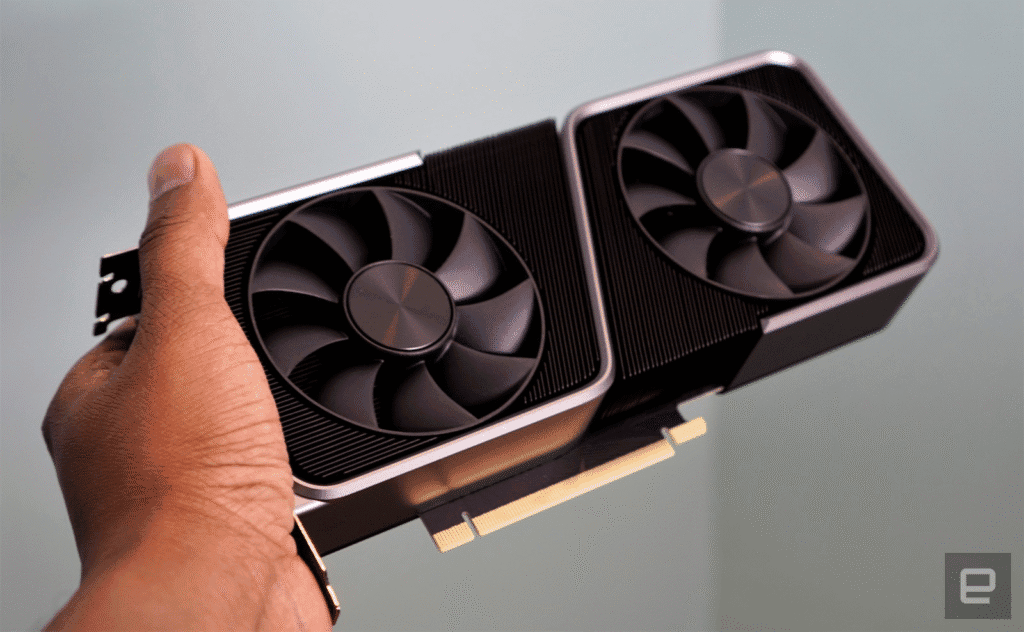
The RTX 3070 launched as a “$499 class” card and sold in huge numbers, so EU supply is generally healthy. What moves the used price is the risk premium: buyers pay more for a card with clean photos, serial/receipt, stable temps, and a marketplace with buyer protection. That’s why two “RTX 3070” listings can be €70–€100 apart on the same day.
Also: VRAM perception matters. In 2025–2026, more players became cautious about 8GB when enabling ray tracing or pushing higher textures at 1440p+, so some buyers either demand bigger discounts or jump to higher-VRAM options.
- Condition (dust, dents, corrosion, fan noise)
- Brand/cooler (2-fan vs 3-fan, noise/temps, size fit)
- Warranty/receipt (transferable warranty is a price multiplier)
- VRAM “fit” for your target (1080p vs 1440p + RT)
- Marketplace risk (returns, scams, “collection only” pressure)
Avoid this: “Untested, sold as seen” unless the discount is huge and you can inspect in person.
Is it worth it in 2026?
If you’re buying primarily for 1080p or sensible 1440p settings, the RTX 3070 can still be a great deal especially when you compare its used pricing to what newer cards cost in today’s market. The catch is simple: you’re buying performance and an 8GB VRAM limit. That limit doesn’t mean “unplayable,” but it often means more tweaking (textures, RT, upscaling) in the heaviest modern titles.
Who this is for / not for
- For: 1080p high settings, 1440p with balanced settings, esports, value builders.
- Not for: “max everything + RT at 1440p+,” heavy modding, or anyone who hates settings tweaks.
Quick decision: If you can land one near the low end of the EU range with proof + returns, it’s still worth it.
Best alternatives
The best alternative depends on whether you’re optimizing for price, features, or future headroom. If the RTX 3070 is priced too close to newer options, you’ll often get a better long-term experience by stepping up especially if you care about modern features and smoother RT performance. If you want maximum value, a cheaper used card that’s “close enough” can be the smarter buy.
| GPU | Typical used price (EU) | VRAM | Best for | Trade-offs |
|---|---|---|---|---|
| RTX 3060 Ti | Not confirmed | 8GB | Cheaper 1440p value | Similar VRAM limits |
| RTX 3070 | €180–€300 | 8GB | Strong 1080p/1440p value | 8GB ceiling in heavy titles |
| RTX 3080 | Not confirmed | 10GB | Faster 1440p | Higher power/heat, often pricier |
| “Newer midrange option” | Not confirmed | Varies | Better features/efficiency | Often higher cost |
Deal Score (0–10)
A good RTX 3070 deal isn’t just “low euros.” It’s price + proof + policy. If a seller can show stable clocks/temps under load and you’re buying on a platform with buyer protection, you can confidently pay more than the sketchy cheapest listing. The opposite is also true: a “great price” with no returns and no proof is often a false bargain.
Score it like this:
- Price vs EU range: low-end = +3, mid = +2, high = +1.
- Warranty/returns: solid returns or receipt = +3, none = +0.
- Proof/testing: screenshots/video of sensors + stress test = +4, “trust me bro” = +0.
Used Risk (read before you buy)
Used RTX 3070s are common ex-gaming cards, but some were run hard (including mining) or simply lived in dusty cases. That shows up first in thermals and noise: rising hotspot temps, fans that whine/rattle, and cards that only crash after 10–20 minutes of load. HWiNFO exists for exactly this kind of visibility. Stress tests are designed to expose those stability and cooling problems quickly.
How to check in 5 minutes
- Open HWiNFO sensors and watch GPU temp + hotspot while gaming or testing.
- Run a short 3DMark Stress Test (looped load) or a quick OCCT GPU test.
- Look for: sudden downclocks, crashing, artifacting, or fans pegging at high RPM.
Safe-buy checklist
If you want the RTX 3070 to be a “set it and forget it” buy, treat the purchase like a mini hardware audit. Ask for proof, confirm model details, and use a marketplace that gives you leverage if something’s wrong. Tools like HWiNFO make it easy to validate temps and behavior under load. Running a short stress test is a standard way to surface instability or cooling issues after a GPU swap.
DO THIS
- Ask for a short video showing temps + clocks under load.
- Prefer sellers with returns / strong reputation.
- Check photos for dust buildup, bent fins, missing screws.
- Verify exact model/cooler (some run hotter/louder).
- Stress test within the return window.
AVOID THIS
- “Untested” listings unless you can inspect in person.
- Rushed meetup pressure (“someone else is coming in 10 min”).
- Paying extra for vague “rare edition” claims with no proof.
- Cards with obvious corrosion or fan issues.
- Skipping testing because “it boots.”
If you buy smart, the RTX 3070 is still worth it in 2026: it’s fast enough for 1080p/1440p and widely available in Europe, but its 8GB VRAM means you should expect occasional settings compromises in newer, heavier games. Shop with buyer protection, demand proof, and run a quick stress test on day one.
What’s next? Build the next comparison piece: RTX 3070 vs RTX 3060 Ti (EU used).